We started in Santa Cruz and rose early, had breakfast, a sea sickness pill, went to the bathroom, and took the boat ride by 7:30 am to Isabela. This is a three hour fast boat ride that can make you sick if you are not used to boating in the ocean. It is a good idea to skip breakfast, take the seasickness pill, go to the bathroom, and sit somewhere near the rear of the boats where the movements are less violent; also never look down so keep your head up and look at the horizon. Unfortunately someone had to use the bathroom in the middle of our ride so the boat had to stop! This was a big mistake and many people got very sick; there should be a big sign that prohibits people from taking these boats unless they go to the bathroom first!

We arrived to Puerto Villamil in Isabela and scanned the de docks for any flying creatures. We immediately spotted many avian companions including Magnificent Frigates, Blue-footed Boobies and a couple of Galapagos penguins that played hide and seek between the boats along the docks.
Magnificent Frigatebird
Galapagos Penguin
Blue-footed Boobies
On the right hand side of the docks we found the Concha Perla Trail that takes you through the local mangrove trees which form tunnels that lead to a nice snorkeling hideaway. The trail was a perfect hide for a couple of Yellow warblers that followed us along the trail jumping from trees to tree.
Yellow Warbler
At the end of the trail we got a spectacular view of the mangroves, the lava rock that formed a protected sea lake, the sea, and the blue skies, all magically surrounding a perfect snorkeling spot. At the edge of the lava we could see some Lava herons that disputed a particular observation point.
On our way out we spotted a new finch that had a different song and looked differently, later we found that this was a vegetarian finch.
See Darwins Fiches blog for more info on finches
From the entrance to Concha Perla we took a $1 ride straight to the best and cheapest hotel in the Island:
Hostal Rincon de George. We made this comfortable and new hostal our basis of operation for the next days.
A few minutes away from our hotel we were shocked by the white sandy beaches and equally shocked by the birds. The Wimbrel received us with open wings and put a nice show under bright sunny conditions.
Whimbrel
As we approached an observation tower at the edge of the sea, we were welcomed by a group of Marine Iguanas taking shade under the steps of the tower.
The observation tower was a marvelous place to see a large flock of Brown noddies dispute the best spots over some lava rocks.
Brown noddies
We continued walking on the beach and this also paid off with the exiting company of the following birds:
Wandering Tattler
American Oystercatcher
Ruddy turnstone
Sanderling
We ended the day with a short swim in the warm ocean waters while the sun went down on the horizon.
The next day we rose early and went back to the sea observation tower where we got a great parade of penguins and Blue-footed boobies.
Galapagos penguin
Later we took the amazing Volcan Sierra Negra tour and we came up with a new set of birds from this higher altitude zone. More on this amazing volcano later but for now here are the birds:
Galapgaos Martin
Vermilion Flycatcher
Small tree finch
Warbler finch
Woodpecker Finch
Small Ground Finch
Yellow Warbler
Smooth-billed Ani
Galapagos Flycatcher
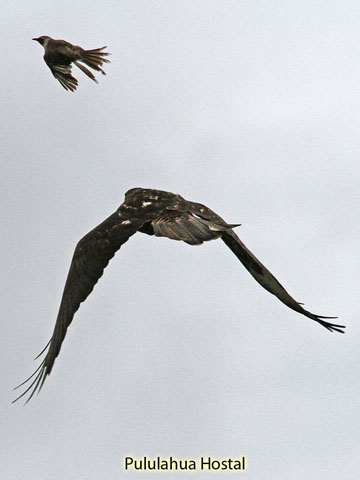
On our way back to the town we surprised the Galapagos Hawk that was being chased by a mocking bird. There was a lot of noise from the mocking birds in the scene!
Galapagos Hawk
On our third day at Isabela we explored some the inland lakes next to the town starting with Laguna Salinas where we encounter the first White-checked pintail.
White-checked pintail
The show was stolen by a mother Black-necked Stilt and her young. Look carefully at the babies next to the red legs.
Black-necked Stilt
We continued exploring this area and we entered a trail that leads to the Giant Tortoise Reproduction Center. This little known trail winds around some amazing ponds, mangroves and dry forest that provide wonderful opportunities for photographing birds. Here is a nice collection of photos taken near Poza Baltazar area including:
Greater Flamingo
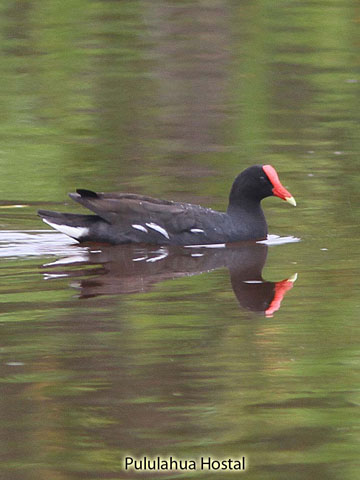
Common Gallinule
Black-necked Stilt
Semipalmated plover
White-cheeked pintail
In the afternoon we visited the Wall of Tears and stopped along the way to take some pictures of more flamingos and finches:
Greater Flamingo
Small ground finches
Common Catus Finch
So there you have it, the amazing Isablela was our favorite!






 Posts
Posts

